

Advanced Automation and Robotics
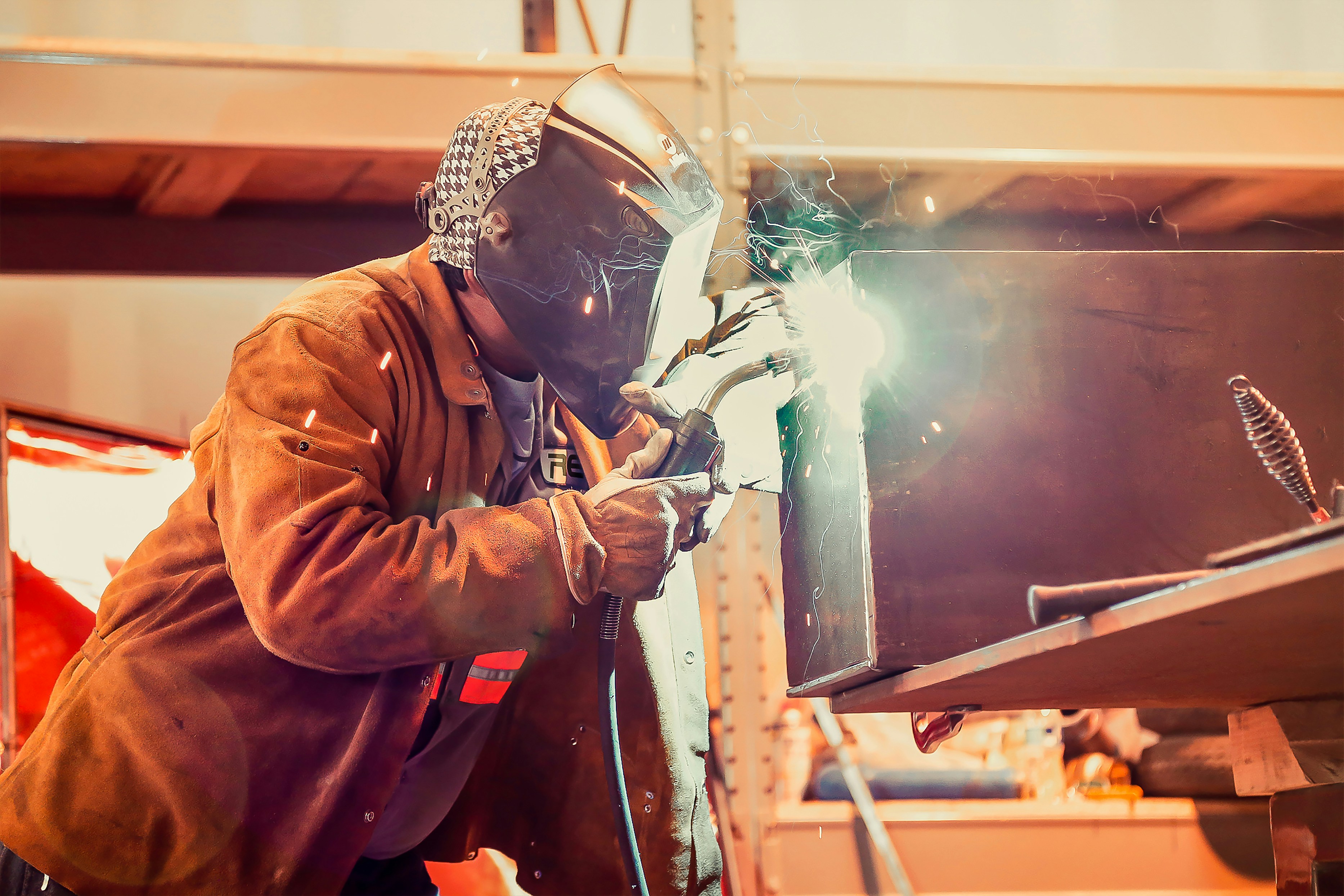
One of the most significant advancements in steel fabrication is the integration of automation and robotics. Automated machinery streamlines processes such as cutting, welding, and assembly, reducing human error and increasing output. Robotic welders, in particular, are becoming a standard feature in leading fabrication facilities.
Key benefits for advanced automation and robotics include:
- Consistency: Robots ensure uniform weld quality across all projects.
- Efficiency: Automation reduces production time, meeting tight deadlines.
- Safety: Minimising human involvement in hazardous tasks lowers the risk of workplace injuries.
In South Africa, major steel fabricators are investing in advanced automation to remain competitive on global and regional scales.
Adoption of Building Information Modeling (BIM)
Building Information Modeling (BIM) is revolutionising how construction and fabrication projects are planned and executed. This digital technology allows steel fabricators to collaborate seamlessly with architects, engineers, and contractors through 3D modeling.
How BIM Benefits Steel Fabricators:
- Improved Precision: Accurate models reduce errors in steel component production.
- Enhanced Collaboration: Real-time updates ensure all stakeholders remain aligned.
- Cost Efficiency: Early identification of potential design conflicts prevents costly rework.
In South Africa, BIM adoption is growing among fabricators involved in large-scale projects like bridges, skyscrapers, and industrial plants. It enhances transparency and promotes better project management.
3D Printing in Steel Fabrication
Although still emerging, 3D printing technology is making its mark on steel fabrication. Additive manufacturing techniques enable the creation of complex geometries that traditional methods struggle to produce.
Current applications for 3D printing in steel fabrication can be split into 3 categories:
- Prototyping: Fabricators can produce scaled-down models for testing and refinement.
- Custom Components: Precision in creating intricate designs for machinery or architectural features.
- Sustainability: Minimal material wastage compared to subtractive methods.
While its high costs currently limit widespread use, South African fabricators are exploring partnerships and research opportunities to integrate 3D printing into their operations.
High-Strength and Lightweight Materials
Material science is driving innovations in steel fabrication, with the development of high-strength, lightweight steel alloys. These materials reduce weight without compromising durability, making them ideal for applications like transport infrastructure and energy-efficient buildings.
Examples of Advanced Materials that will change the game for steel fabricators in South Africa:
- Weathering Steel: Resistant to corrosion, reducing the need for maintenance.
- High-Strength Low-Alloy (HSLA) Steel: Balances strength and flexibility, enabling use in seismic zones.
- Recycled Steel: A growing trend to minimise environmental impact while maintaining quality.
South African steel fabricators are incorporating these materials to meet client demands for cost-effective and sustainable solutions.

Artificial Intelligence and Data Analytics
AI and data analytics are reshaping how steel fabricators manage their operations. From predictive maintenance to supply chain optimisation, these technologies enhance decision-making and operational efficiency.
How AI will transform fabrication:
- Predictive Maintenance: Sensors on machinery detect wear and alert operators before breakdowns occur.
- Demand Forecasting: AI analyses market trends, helping fabricators prepare for fluctuations.
- Process Optimisation: Machine learning algorithms identify inefficiencies and suggest improvements.
South African steel fabricators are leveraging AI tools to enhance productivity, reduce costs, and maintain a competitive edge in the global market.
Laser Cutting Technology
Laser cutting is a game-changer in steel fabrication, offering unmatched precision and speed compared to traditional cutting methods. It allows fabricators to handle intricate designs and achieve cleaner cuts with minimal waste.
Advantages of Laser Cutting include:
- High Accuracy: Enables intricate patterns and custom shapes.
- Efficiency: Faster processing times than plasma or mechanical cutting.
- Versatility: Works with various steel grades and thicknesses.
In South Africa, laser cutting is becoming a standard in fabrication workshops, particularly for industries like automotive and construction.
Eco-Friendly Practices
Sustainability is no longer optional in steel fabrication. Clients increasingly demand eco-conscious solutions, pushing fabricators to adopt green practices.
Key Sustainability Trends for 2024 and 2025:
- Recycling and Waste Reduction: Reusing scrap steel and minimising offcuts.
- Energy Efficiency: Implementing renewable energy sources like solar power in fabrication facilities.
- Eco-Friendly Coatings: Using non-toxic, low-VOC (volatile organic compound) paints and finishes.
South African steel fabricators are embracing these practices to align with global environmental standards and appeal to eco-conscious clients.
Custom Fabrication Services
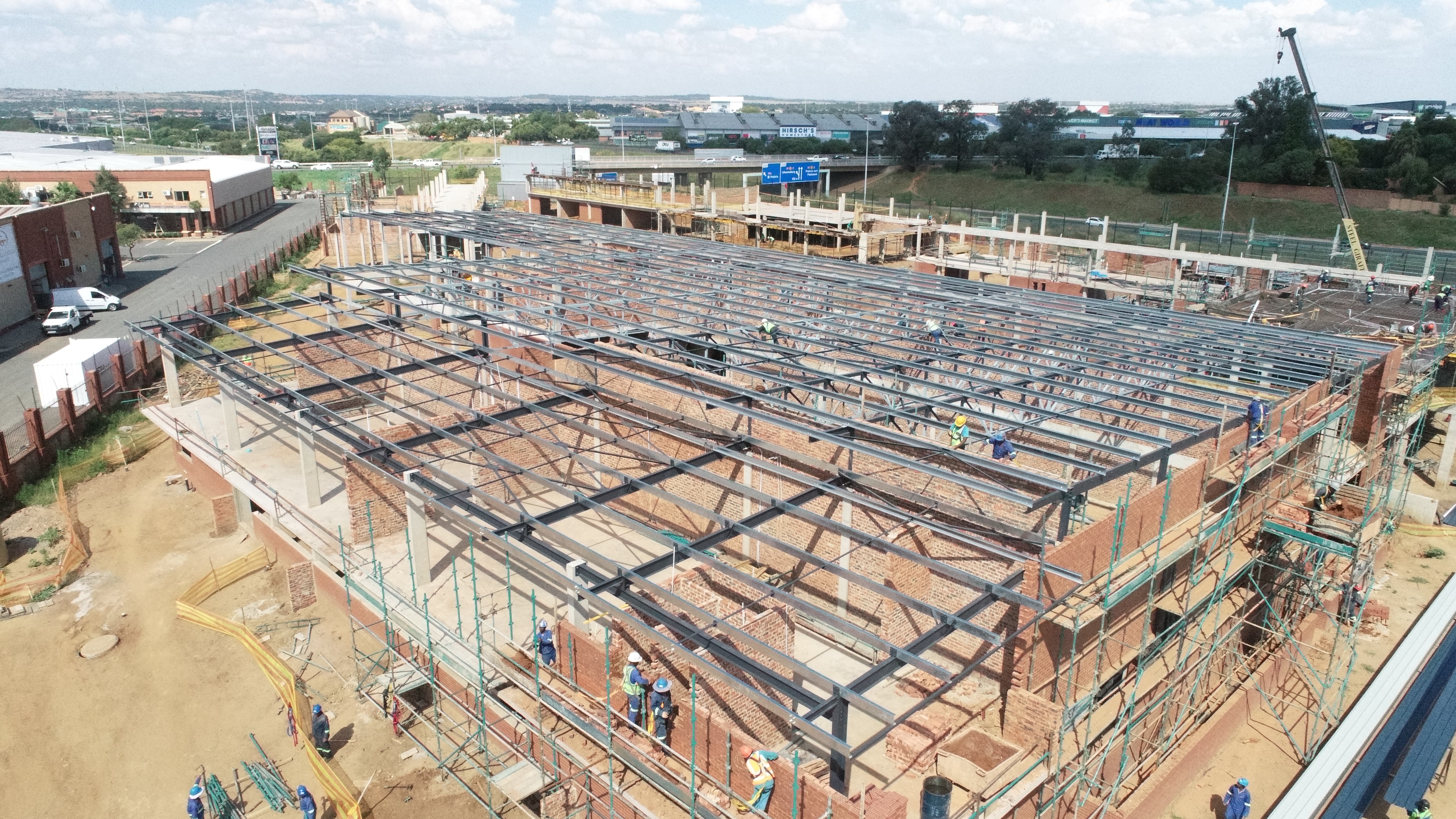
With industries seeking tailored solutions, custom fabrication is gaining traction.
Advanced machinery and design software enable steel fabricators to deliver highly specialised components for diverse applications, including:
- Mining and energy sectors.
- Bespoke architectural elements.
- Machinery and equipment manufacturing.
Custom fabrication not only meets specific project needs but also sets fabricators apart in a competitive marketplace.
Challenges and Opportunities
Despite these advancements, South African steel fabricators face challenges such as rising energy costs, fluctuating steel prices, and skill shortages. However, these obstacles also present opportunities for innovation and growth.
Addressing the challenges for steel fabricators in South Africa:
- Skill Development: Investing in training programs to build a skilled workforce.
- Energy Alternatives: Exploring renewable energy sources to combat high electricity costs.
- Collaborations: Partnering with international firms to stay ahead of technological trends.
By embracing these strategies, South African fabricators can thrive in a competitive and evolving industry.
Our Conclusion
The steel fabrication industry in South Africa is undergoing a transformation, driven by advancements in technology, materials, and sustainability practices. From automation and BIM to eco-friendly solutions, these innovations enable steel fabricators to deliver better, faster, and more sustainable results. Staying updated with these trends is key to future success in this rapidly evolving industry.
For clients, partnering with forward-thinking fabricators guarantees access to the latest methods and technologies, ensuring the success of their construction and industrial endeavors. Looking for a trusted partner for your steel fabrication needs? Explore our portfolio of innovative solutions tailored to your project’s requirements. Or reach out to us today - and et’s build the future together.